
💡 Introduction: The Role of AI in Nonprofit Work
Nonprofit organizations have long been powered by empathy, community engagement, and a deep commitment to social good. But in recent years, a new catalyst has emerged — Artificial Intelligence (AI).
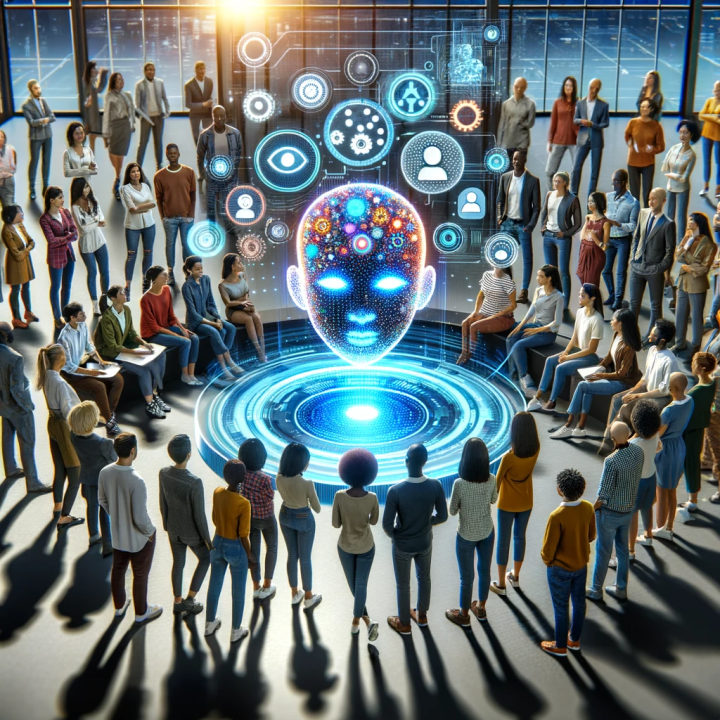
Once reserved for tech giants and futuristic labs, AI has now stepped into the heart of the social sector. It’s not here to replace human compassion, but to amplify it — helping nonprofits reach further, act faster, and understand deeper.
This blog explores how AI is quietly but powerfully reshaping the nonprofit landscape — from enhancing fundraising and outreach to making everyday operations smarter and more inclusive.
1. 📈 Smarter Nonprofit Fundraising with Predictive Insights
Fundraising often involves a lot of trial and error — testing what works, whom to approach, and when. AI reduces this guesswork. By analyzing past donor behavior, giving patterns, and engagement levels, AI tools can predict who’s most likely to give again, how much, and through which channel.
With this data, nonprofits can craft personalized outreach strategies that increase conversions while saving time and resources.
2. 💌Personalized Nonprofit Supporter Engagement
Donors and volunteers appreciate feeling valued 💖. AI enables nonprofits to personalize communication — sending thank-you messages, impact updates, or campaign appeals tailored to each individual’s preferences or history.
Instead of one-size-fits-all messaging, AI helps build lasting connections through relevance and timing.
3. ⚙️ Automating Nonprofit Admin Tasks
From managing volunteer applications to sorting emails and creating reports, nonprofits often spend countless hours on admin duties. AI can automate these processes, reducing manual work and human error 🧾➡️🤖.
This frees up teams to focus on what truly matters — fieldwork, community engagement, and innovation.
4. 💬 AI-Powered Chatbots for Instant Support
Nonprofits receive a wide range of inquiries daily — from how to donate to where help is needed. AI-powered chatbots can handle many of these questions instantly, improving user experience and saving staff time ⏱️.
Available 24/7 and often multilingual 🌍, these bots make services more inclusive and accessible.
5. 📊 Transparent Reporting and Impact Tracking
Accountability is a cornerstone of nonprofit work. AI helps track and analyze data in real-time — from donation trends to project milestones.
These insights can be turned into visual impact reports or dashboards 📈, building trust with donors and allowing organizations to adjust strategies for greater success.
6. 🎯 Targeted Outreach Through Smart Campaigns
AI tools can analyze engagement data across platforms — social media, email, and more. This helps identify what content resonates best with each audience segment.
Result? Smarter campaigns with better timing, messaging, and targeting 🗣️📣.
7. 🚨 Real-Time Identification of Community Needs
During crises — like natural disasters or health emergencies — AI can track real-time data from news, social media, and government alerts.
This enables nonprofits to respond faster, prioritize resources, and reach the most vulnerable people when it matters most 💪❤️.
8. 🌐 Promoting Accessibility and Inclusion
AI-powered tools like voice-to-text, translation software, and visual recognition enhance accessibility.
They help nonprofits serve people with disabilities, language barriers, or limited literacy — ensuring no one is left behind 🧏♀️📱🧑🦯.
9. 🔒 Enhancing Financial Integrity and Fraud Detection
AI is also a strong ally in maintaining transparency. It can detect anomalies in donation or application data, preventing fraud and ensuring ethical use of resources 💵✅.
This kind of smart oversight strengthens governance and donor trust.
10. 📉 Measuring Long-Term Impact
AI doesn’t just track actions — it helps measure real outcomes. Machine learning models and data visualizations let nonprofits evaluate long-term effectiveness.
From tracking student progress in literacy programs 📚 to monitoring tree survival in reforestation 🌳, AI supports better decisions and richer storytelling.
⚖️ Balancing Innovation with Ethics
While AI offers immense potential, it also brings responsibility. Ethical use — especially with sensitive data or vulnerable groups — is essential.
Nonprofits must uphold values of transparency, consent, fairness, and dignity 💞. Technology should reflect humanity, not override it.
🌍 Why AI Matters in the Social Sector
At its core, nonprofit work is about making lives better. AI isn’t a replacement for empathy — it’s a scaling tool for it.
It helps small teams create big ripples 🌊. It allows organizations to listen closer, act smarter, and innovate with purpose.
When data meets compassion, the results can be extraordinary.
🧠 Final Thoughts
Artificial Intelligence is no longer a distant, high-tech concept. It’s right here, woven into the systems that make nonprofit work more impactful, inclusive, and insightful.
Whether it’s predicting a donor’s next gift 💝, guiding someone through a chatbot 💬, or tracking the impact of a project 📈 — AI is transforming how change is created and measured.
In the end, it’s not about machines replacing people — it’s about machines empowering people who make the world better 💛🌏.
