

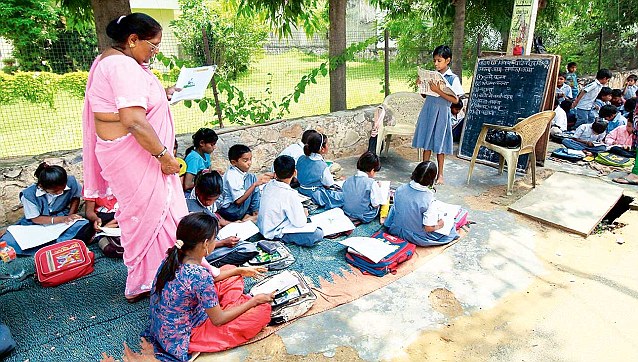
Education has always been the key to unlocking a brighter future. Yet, for many children, especially in underserved communities, the traditional classroom feels distant, rigid, or even inaccessible. Enter street classrooms — an innovative, heartwarming movement that is transforming how children learn and inspiring communities worldwide. These open-air, flexible learning spaces are literally taking education to the streets, making it engaging, inclusive, and — dare we say — cool again! 🎒✨
In this blog, we’ll explore how street classrooms are changing the narrative of education, why they matter, and how they are empowering children and communities to embrace learning with excitement and curiosity.
Why Street Classrooms Are Changing the Game in Education 🏫➡️🌳
The concept of street classrooms emerged as a creative response to barriers many children face: lack of infrastructure, overcrowded schools, or the simple challenge of not feeling motivated in a conventional setting. Instead of being confined by four walls, these classrooms are set up in public parks, alleyways, community centers, or even under the shade of a tree — anywhere children can gather safely to learn and grow. 🌿
What makes street classrooms special is their ability to create a sense of belonging and freedom. They break away from the formal, sometimes intimidating environment of traditional schools. Teachers and volunteers use colorful chalkboards, creative drawings, storytelling, and hands-on activities to keep children actively involved. This informal approach not only nurtures curiosity but also encourages critical thinking and creativity. 🌈🖍️
Importantly, street classrooms bring education to children who might otherwise be excluded. Girls, children from marginalized backgrounds, and kids with disabilities find a welcoming and adaptive learning environment. By placing education literally on the streets, these initiatives bridge the gap between formal education and community, allowing learning to happen where life happens.
How Street Classrooms Are Making Education Cool Again for Kids 🎉📚
When we talk about making education “cool,” it’s about more than just fun. It’s about creating an environment where children want to come back day after day, where they feel valued, and where learning becomes a joyful adventure. This is exactly what street classrooms achieve.
Picture a vibrant street classroom, alive with laughter, colors, and interactive lessons that involve dance, songs, and games. Kids who once dreaded sitting still are now eager participants, asking questions and sharing stories. The outdoor setting allows for flexible teaching methods: nature walks for science lessons, drawing murals to explain history, or role-playing to build communication skills. 🌳🎶
Moreover, the emphasis on peer learning in these street classrooms fosters social skills and emotional intelligence. Children learn to collaborate, respect differences, and build confidence — lessons as crucial as reading and writing. In this way, education becomes a holistic experience, nurturing the mind, body, and spirit.
Street Classrooms: A Pathway to Inclusive and Accessible Education for All 🌍🤝
One of the biggest challenges in global education today is ensuring equitable access for every child. Street classrooms are powerful because they’re inherently inclusive. By removing physical and psychological barriers, they create spaces where education is truly accessible.
Many children in slums, refugee camps, or rural areas face challenges such as lack of transport, school fees, or even cultural restrictions on schooling. Street classrooms, being community-driven and often free of cost, bring education directly to these children’s doorsteps. Parents who may be skeptical about formal education begin to see the benefits firsthand as their children engage, learn, and grow. 👩👧👦🏡
Additionally, these classrooms empower local teachers and volunteers, many of whom come from the very communities they serve. This deep connection fosters trust, cultural sensitivity, and an understanding of unique local needs, ensuring education is relevant and effective.
The Power of Community in Street Classrooms 👫❤️
A defining feature of street classrooms is their rootedness in community spirit. Unlike distant institutions, these learning spaces thrive on local involvement. Neighbors, parents, and local leaders often collaborate to create, support, and sustain these initiatives. This collective ownership builds a strong foundation of trust and accountability, ensuring the classroom thrives long-term.
Beyond education, street classrooms become hubs for social change — places where awareness about health, rights, and environmental stewardship can be raised. Children become ambassadors of change, carrying lessons from their street classrooms into their homes and communities, sparking broader transformation. 🌟🌿
Creative Teaching Methods: Breathing Life into Learning 🎨🧠
Traditional schooling often suffers from rote learning and passive reception of knowledge. Street classrooms flip this model by introducing interactive and creative teaching methods that resonate deeply with young learners.
Teachers use storytelling to bring history alive, drama to explore social issues, and art to encourage self-expression. Lessons happen through songs, puppetry, and games that make complex ideas easy to understand and remember. For example, a math lesson may involve counting real fruits at the market or measuring plants in a garden — practical, hands-on, and fun!
This experiential learning not only boosts academic skills but also nurtures curiosity, creativity, and a love for lifelong learning — qualities essential for thriving in the modern world. 🌍✨
Overcoming Challenges: How Street Classrooms Adapt and Thrive 💪🌧️
Running education programs outside traditional buildings comes with challenges: weather, safety, and resource constraints top the list. Yet, the resilience of street classrooms lies in their flexibility and community support.
In rainy seasons, classes move under tents, verandas, or community halls. Local volunteers organize schedules that accommodate children’s work or family duties, ensuring consistent attendance. Materials are often recycled or locally sourced, keeping costs low and sustainability high.
Moreover, partnerships with NGOs, local governments, and donors help supply learning kits, training for teachers, and infrastructure support. This collaboration strengthens the impact and reach of street classrooms, turning obstacles into opportunities for innovation and growth. 🌧️🌟
Inspiring Success Stories: Real Kids, Real Change 🌟📖
Across the globe, countless stories illustrate how street classrooms transform lives. Like Amina, a shy girl from a crowded urban neighborhood who found her voice and confidence through street classroom debates and drama. Or Raj, who struggled with reading but blossomed after a community volunteer introduced him to interactive storytelling.
These classrooms do more than teach subjects — they build futures. Children graduate from street classrooms not just with knowledge but with a renewed sense of hope, ambition, and belonging. Many go on to formal schools, college, or vocational training, empowered to pursue their dreams and uplift their families. 🎓🌟
How You Can Support the Street Classroom Movement 🤝🌟
The magic of street classrooms lies in community and collaboration. Whether you’re a donor, volunteer, educator, or simply someone who believes in education for all, your support can amplify this movement.
Donate: Funds help provide books, stationery, teaching aids, and infrastructure.
Volunteer: Share your skills as a teacher, mentor, or organizer.
Advocate: Spread the word about street classrooms in your networks and communities.
Partner: NGOs and local bodies can collaborate to scale these initiatives.
Every bit of support brings more children closer to quality education and a brighter future. Together, we can make education not just accessible but truly cool again! 🎉📚
The Future of Education is Open, Inclusive, and Streetwise 🚀🌍
As the world evolves, so must our approach to education. The rise of street classrooms shows us that learning doesn’t have to be confined to traditional settings or stale methods. Instead, it can be vibrant, inclusive, and deeply connected to the realities of children’s lives.
By making education cool again, street classrooms inspire a generation to dream bigger, think creatively, and act compassionately. They remind us all that education is not just a privilege — it’s a right, a joy, and a powerful force for change. 🌟✨
Let’s celebrate and support this beautiful movement that’s bringing classrooms to the streets and transforming the future — one child, one lesson, one community at a time.
If you believe in the power of street classrooms and want to be part of this revolution, join us in spreading the magic of education beyond walls. Together, we can light up the streets with learning and hope! 💡🌈
